
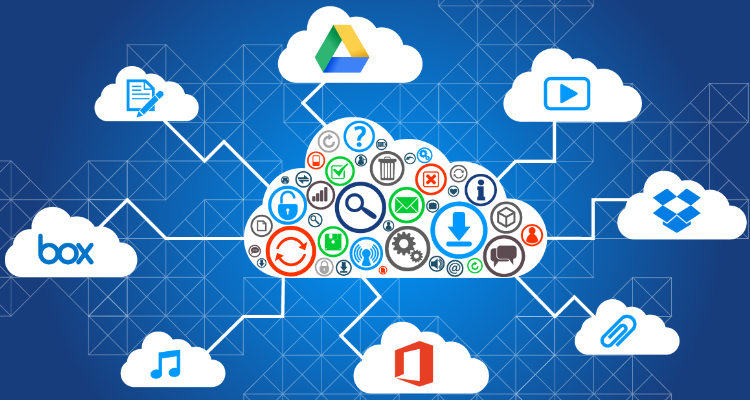
File sharing has become an essential part of modern digital life. Whether you’re sending business documents, collaborating on projects, or sharing personal files, the tools you use matter just as much as the files themselves.
While convenience is important, security is even more critical. Not all file-sharing platforms are built with strong privacy protections. Some prioritize speed and accessibility over encryption, while others offer advanced security features designed to protect sensitive data.
In 2026, users have more secure options than ever before. The challenge is choosing the right tool based on your needs, whether for personal use, business collaboration, or handling highly sensitive information.
This guide breaks down the best secure file-sharing tools in 2026, what makes them safe, and how to choose the right one.
What Makes a File Sharing Tool Secure?
Before looking at specific tools, it’s important to understand what “secure file sharing” actually means.
A secure file-sharing platform typically includes:
- End-to-end encryption
- Password protection for files or links
- Access control (who can view, edit, or download)
- Expiring links
- Two-factor authentication (2FA)
- Audit logs or activity tracking
- Protection against unauthorized access
The more of these features a platform offers, the more secure your files are.
1. Google Drive
Google Drive remains one of the most widely used file-sharing platforms in the world. It is integrated into the Google ecosystem and offers strong collaboration features.
Security Features:
- Encryption in transit and at rest
- Two-factor authentication
- Access control for shared files
- Activity tracking
- Permission-based sharing
Pros:
- Easy to use and widely adopted
- Excellent collaboration tools (Docs, Sheets, Slides)
- Generous free storage
Cons:
- Not end-to-end encrypted by default
- Privacy concerns due to data indexing policies
Best for:
General users, students, and teams that need collaboration rather than ultra-private storage.
2. Dropbox
Dropbox is one of the pioneers of cloud file storage and sharing, known for its reliability and simple interface.
Security Features:
- Encryption during transfer and storage
- Two-factor authentication
- File recovery and version history
- Link permissions and expiration options
Pros:
- Very user-friendly
- Strong file recovery features
- Reliable sync across devices
Cons:
- Limited free storage
- Advanced security features require paid plans
Best for:
Professionals and teams needing reliable file synchronization and sharing.
3. Microsoft OneDrive
Microsoft OneDrive is deeply integrated into Windows and Microsoft 365, making it a natural choice for business users.
Security Features:
- Encryption at rest and in transit
- Personal Vault for sensitive files
- Multi-factor authentication
- Ransomware detection and recovery
- Permission-based sharing
Pros:
- Seamless integration with Microsoft Office
- Strong business security features
- Good value for Microsoft 365 users
Cons:
- Best experience requires Microsoft ecosystem
- Interface can feel complex for beginners
Best for:
Business users and organizations already using Microsoft tools.
4. Proton Drive
Proton Drive is built with privacy as its core focus. It is developed by the same team behind ProtonMail.
Security Features:
- End-to-end encryption by default
- Zero-access architecture (even Proton cannot view your files)
- Secure file sharing links
- Strong privacy policies based in Switzerland
Pros:
- Extremely strong privacy protection
- No ads or data tracking
- Ideal for sensitive files
Cons:
- Smaller ecosystem compared to Google or Microsoft
- Fewer collaboration features
Best for:
Users who prioritize privacy and security above all else.
5. Tresorit
Tresorit is a high-security cloud storage platform designed for professionals and enterprises handling sensitive data.
Security Features:
- End-to-end encryption
- Zero-knowledge architecture
- Secure file sharing with password protection
- Detailed access control
- Compliance with strict data protection standards
Pros:
- Excellent security reputation
- Strong enterprise features
- Highly secure file sharing options
Cons:
- Expensive compared to competitors
- More complex setup for beginners
Best for:
Businesses, legal teams, and organizations handling confidential data.
6. WeTransfer

WeTransfer is popular for quickly sending large files without requiring recipients to create accounts.
Security Features:
- Password-protected transfers (paid plans)
- Expiring download links
- Basic encryption during transfer
Pros:
- Very simple to use
- Great for large file transfers
- No account required for recipients
Cons:
- Limited security features on free plan
- Not designed for long-term storage
Best for:
Quick file transfers rather than ongoing storage or collaboration.
7. pCloud
pCloud is a cloud storage platform that offers strong privacy features and flexible pricing options.
Security Features:
- Client-side encryption (with pCloud Crypto add-on)
- TLS/SSL encryption during transfer
- File versioning and recovery
- Access control settings
Pros:
- Lifetime storage plans available
- Strong security options with encryption add-on
- Easy-to-use interface
Cons:
- End-to-end encryption requires paid add-on
- Less popular than major competitors
Best for:
Users looking for long-term storage with optional strong encryption.
8. SpiderOak One Backup
SpiderOak is a privacy-focused backup and file-sharing service.
Security Features:
- Zero-knowledge encryption
- End-to-end encryption
- Secure backup and sharing
- No data tracking
Pros:
- Strong privacy-first design
- Good for backups and file recovery
- No exposure of user data
Cons:
- Outdated interface compared to competitors
- Smaller user base
Best for:
Users who prioritize secure backups and privacy.
How to Choose the Right Tool
The best file-sharing tool depends on your specific needs.
For everyday use:
- Google Drive
- OneDrive
For privacy-focused users:
- Proton Drive
- Tresorit
- SpiderOak
For quick transfers:
- WeTransfer
For long-term storage:
- pCloud
- Dropbox
Security Tips When Sharing Files
Even the best tool can’t protect you if you use it incorrectly. Follow these best practices:
- Always set access permissions carefully
- Avoid public links for sensitive files
- Use passwords when available
- Enable two-factor authentication
- Regularly review shared files
- Delete outdated sharing links
Frequently Asked Questions
What is the safest file sharing tool in 2026?
Tools like Proton Drive and Tresorit offer some of the strongest privacy and encryption features available.
Is Google Drive secure enough for sensitive files?
It is secure for general use, but not ideal for highly confidential data due to lack of default end-to-end encryption.
What is the easiest file sharing tool to use?
WeTransfer and Google Drive are among the simplest for beginners.
Can file sharing tools be hacked?
While rare, accounts can be compromised if passwords are weak or if users fall victim to phishing attacks.
Final Thoughts
Secure file sharing is no longer optional, it has become a basic requirement in a world where data is constantly moving across devices, platforms, and borders. Every time a file is uploaded, shared, or downloaded, there is a level of exposure involved, which makes proper security practices essential rather than optional.
In 2026, users have access to a wide range of secure tools offering encryption, access controls, and advanced privacy features. However, the real difference comes not just from the platform itself, but from how it is used. Whether your focus is convenience, collaboration, or maximum privacy, the right tool combined with good security habits ensures that your files remain protected while still being easy to share when needed.

Martins Osad is a technical writer and systems administrator specializing in network architecture and endpoint security operations. With over ten years of experience managing infrastructure deployment and configuring firewalls. All technical guides on Cybersafeguide are personally tested and verified in sandboxed environments.